The Path to Accreditation: Understanding the Phlebotomy Educating Training Course Journey and Its Value
As you think about the course to certification in phlebotomy, it's essential to recognize the function you'll play in healthcare. Your training will cover necessary skills, from blood collection techniques to patient communication. Each part of the program prepares you for the difficulties in advance. But what precisely does the journey require, and why is certification so vital for your future profession? Let's check out these concerns better.

The Duty of Phlebotomists in Healthcare
Phlebotomists play an essential role in the health care system, functioning as the important link between clients and vital diagnostic testing. You'll perform blood draws, making certain samples are collected precisely and securely. Your expertise helps in diagnosing medical conditions, monitoring health and wellness, and assisting treatment choices.
In your daily interactions, you'll require to develop count on with clients, making them really feel comfy during what could be a demanding experience. You are in charge of classifying and handling samples thoroughly to stop contamination or errors, which can affect test results.
Past this, you'll often work along with physicians and registered nurses, connecting critical information concerning clients' problems. By understanding your skills, you contribute meaningfully to individual care, making you an indispensable part of the clinical team.
Review of Phlebotomy Training Programs
When exploring phlebotomy training programs, you'll discover different kinds made to fit different schedules and discovering styles. Each program helps you establish vital skills like blood collection and person interaction. Comprehending these options is crucial to choosing the appropriate path for your career.
Sorts Of Training Programs
Numerous kinds of training programs are offered for those looking to end up being proficient in phlebotomy. In addition, some health centers and clinics use on-the-job training programs, giving sensible experience while you find out. Whatever course you pick, each program intends to outfit you with the necessary abilities for an effective phlebotomy career.

Trick Abilities Created
Understanding phlebotomy needs a set of key abilities that are developed through detailed training programs. You'll discover technological skills like correct blood vessel choice, needle insertion, and blood collection techniques. These hands-on methods ensure you can execute procedures securely and efficiently. Additionally, communication skills are fundamental; you'll need to communicate with patients, clarify treatments, and placed them comfortable. Comprehending anatomy and physiology is vital, also, as it assists you situate capillaries and recognize the body's feedback to blood attracts. Lastly, you'll obtain knowledge of safety protocols and infection control, ensuring you preserve a sterile atmosphere. Each of these abilities is crucial for your success as a licensed phlebotomist, making you a useful property in any type of medical care setting.
Secret Components of a Phlebotomy Training Course
In a phlebotomy program, you'll focus on essential subjects that prepared for your future profession. You'll involve in hands-on training that permits you to use what you've found out in real-world setups. Both the curriculum and useful experience are vital for your success as a phlebotomist.
Curriculum Summary
While pursuing a phlebotomy training course, you'll come across a curriculum developed to outfit you with basic skills and knowledge. Phlebotomy Classes Near Me. This curriculum generally consists of anatomy and physiology, concentrating on the circulatory system and understanding blood components. You'll likewise find out about various types of blood collection methods, consisting of venipuncture and capillary leak strategies
Additionally, infection control and security procedures are vital elements, guaranteeing you understand exactly how to keep a sterile setting. You'll study patient communication, highlighting communication and compassion, which are critical for relieving individual anxiousness. Honest and lawful factors to consider will certainly be attended to, preparing you for real-world duties. This foundational understanding will allow you to succeed as a phlebotomist and supply high quality treatment in professional setups.
Hands-On Training Experience
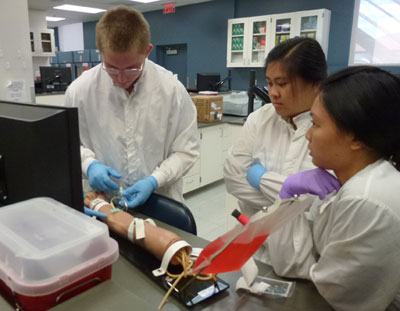
Getting hands-on experience is an important part of your phlebotomy training program. This sensible training enables you to use what you have actually found out in a real-world setup, improving your skills and self-confidence. You'll exercise venipuncture strategies, find out how to handle different kinds of samplings, and get acquainted with the equipment used in the field. Under the guidance of knowledgeable instructors, you'll improve your skills, guaranteeing you're planned for any kind of scenario you could encounter.
Additionally, you'll obtain the opportunity to connect with clients, which is necessary for establishing your communication skills. This combination of technological effectiveness and interpersonal skills is essential for your success as a licensed phlebotomist. Ultimately, hands-on training is where theory meets method, strengthening your knowledge and readiness for accreditation.
Qualification and Licensing Needs
Prior to you can start your job in phlebotomy, it is important to comprehend the accreditation and licensing needs that vary by state. The majority of states call for phlebotomists to hold an accreditation from an acknowledged organization, such as the National Phlebotomy Organization or the American Culture for Medical Pathology. These qualifications usually entail passing an copyrightination that evaluates your knowledge and abilities in the field.
Along with certification, some states have details licensing requirements. You may require to finish a specific number of hours in medical method, send evidence of training, or undertake a history check. It is essential to investigate your state's laws to make sure you satisfy all essential criteria.
Staying educated concerning these requirements not only aids you protect a position yet likewise improves your credibility as a professional. By meeting these needs, you'll be well on your method to an effective profession in phlebotomy.
Hands-On Training and Practical Experience
Hands-on training and useful experience are important components of your phlebotomy education and learning, as they allow you to use theoretical understanding in real-world circumstances. Throughout your click for source training, you'll engage in monitored venipuncture, discover appropriate strategies, and come to be acquainted with various blood collection tools. This direct involvement is essential for developing your confidence and refining your skills.
You'll function carefully with knowledgeable experts that can guide you with the nuances of client communication and sample handling. Each session not only enhances your understanding yet likewise prepares you read more for the hectic setting of healthcare settings.
Furthermore, lots of programs include clinical rotations, enabling you to experience varied settings, from medical facilities to outpatient centers. This exposure helps you adapt to various challenges and client demands, ensuring you're well-prepared for your future duty. Embrace these opportunities, as they're important to coming to be a proficient and thoughtful phlebotomist.
Challenges Faced During Training
While obtaining hands-on experience is vital, it's vital to identify the obstacles that can occur throughout your phlebotomy training. You could come across anxiety when doing procedures on genuine clients, especially if you're brand-new to the setting. The pressure to obtain everything right can be overwhelming. Additionally, understanding the skills required for blood attracts takes technique; you may battle with method originally.
Time management can likewise be a difficulty, as balancing theory, functional sessions, and individual dedications can feel daunting. You might encounter differing discovering rates among your peers, resulting in sensations of insecurity if you think you're falling back. Adjusting to the investigate this site different characters of trainers can be challenging, as each may have a special teaching design.
Recognizing these barriers beforehand can prepare you for success and help you establish strength throughout your training trip.
Occupation Opportunities After Accreditation
As you acquire experience, you could even think about concentrating on locations like pediatric or geriatric phlebotomy, satisfying certain individual requirements. Some phlebotomists pick to advance their professions by becoming research laboratory technicians or going after more education and learning in medical care fields.
In addition, your certification can cause functions in training or overseeing brand-new phlebotomists, enabling you to share your knowledge. With the health care market continuously expanding, your abilities will certainly always remain in need, leading the way for a stable and meeting profession. Welcome the opportunities waiting for you!
Frequently Asked Concerns
What Is the Common Duration of a Phlebotomy Training Course?
Phlebotomy training programs generally last around four to 8 weeks. You'll engage in hands-on technique, class instruction, and online knowing. Completing this training prepares you for accreditation and a rewarding job in healthcare.
Are Online Phlebotomy Courses Available?
Yes, online phlebotomy courses are readily available. They offer flexibility and comfort, allowing you to study at your very own rate. Simply validate the program is approved to satisfy accreditation needs and obtain beneficial skills for your job.
Just How Much Does Phlebotomy Training Commonly Price?
Phlebotomy training generally costs between $700 and $2,500, depending on the program and area. You must think about factors like course length, consisted of products, and hands-on experience when picking the ideal training for you.
What Are Common Requirements for Phlebotomy Training?
Typical prerequisites for phlebotomy training usually include a senior high school diploma or GED, immunizations, and a background check. Some programs may additionally require fundamental healthcare knowledge or certifications, guaranteeing you're planned for hands-on training.
Can I Function While Completing My Phlebotomy Training?
Yes, you can work while completing your phlebotomy training. Numerous trainees equilibrium jobs with their researches, yet make specific to handle your time successfully to ensure you fulfill both job and training commitments successfully.